From Glass Plates to Memory Cards
A brief history of the Photo Pictorialists of Milwaukee (PPM)
1904

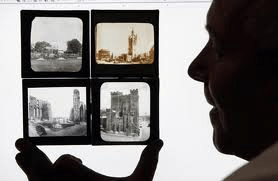
A few men became friends through photography and formed a club which they named Wisconsin Club. The name was changed to Milwaukee Camera Club in the ’20s and to Photo Pictorialists of Milwaukee around 1930. Meetings were held at the Layton Art Gallery. Members used tripods and view cameras with glass plate negatives. An account of an early outing described members carrying their 5 x 7 view cameras attached to tripods, slung over their shoulders as they hiked through the hilly countryside in the Kettle Moraine.
1925
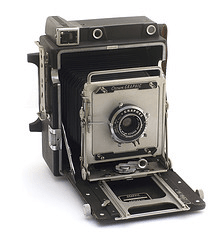
Meetings were moved to the Milwaukee Art Institute. Sheet films in holders were used with Speed Graphic and Graflex cameras. Members’ prints were shown at meetings and discussed. Prints were exhibited in juried salons including an annual salon run by PPM in partnership with the Wisconsin Painters and Sculptors.
1934
The Photographic Society of America (PSA) was founded on January 1. PPM was a charter member. PSA set standards for displaying prints and for judging. The maximum print and matte size was set at 16” x 20”.
1937

Eastman Kodak rocked the photo world with the introduction of Kodachrome 35mm color slide film and Kodak provided processing. PPM members eagerly began to explore its potential for serious use while continuing to create, show, discuss and exhibit black and white (B&W) prints.
1941
PPM moved to a building at 1020 N. 4th St., renting a 2nd floor suite of rooms with a separate street level entrance. A darkroom was built for members’ use and members were issued a key to the entrance. The large meeting room also served as a studio.
1948
Following World War II, the use of Kodachrome 35mm color slide film exploded! Small 35mm cameras traveled well and the slides arrived in the mail (no darkroom required).

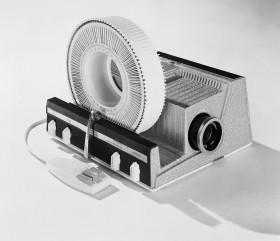
Members purchased 35mm cameras, slide sorters, magnifiers, projectors and screens. PSA member clubs, including PPM, combined color slide sections and B&W print sections in their salons. Color slide photography was divided into these categories: general, nature, journalism and stereo.
The International Salon of Photographic Art was organized by the Milwaukee Art Institute and PPM. At that salon, 2,652 prints and slides were submitted from 25 countries.

Inventors of photographic equipment were connected to the club. Member Ed Farber invented the portable electronic flash and founded the Strobo Research Co. The Milwaukee Journal equipped its photo staff with Ed’s units.
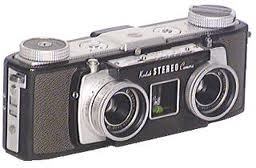
Seton Rochwite invented the Stereo Realist camera and it was introduced in 1947 by the David White Company (which became Realist in Menomonee Falls). He was an honorary member of PPM.
1950
PPM members Vic Pagel and Ted Laatsch became experts in stereo slides. They were among the five top-ranked stereo exhibitors in the world. The club helped sponsor the First International Exhibition of Color Stereo Slides. Exhibitors included Cecil B. DeMille and Art Linkletter. Other Hollywood stars, such as Harold Lloyd, were big fans of stereo photography.
1954
The Boston Store and PPM sponsored an exhibition of creative photography at the Milwaukee Art Institute. Purchases of works of art from the exhibition inaugurate the permanent collection of photographs at the Art Institute.
1956
The Korean “War” ended and PPM was functioning extremely well and growing steadily.

PPM Picnic, Terre Andre Park, 1955
The club’s spacious meeting room often served as a lecture hall. PPM visits to local professional studios frequently included photographing by members.
1960
On April 1, PPM moved to the new Milwaukee County War Memorial Center. The meeting room included a large locked storage unit for PPM use. The print box, slide projector, screen and other supplies were locked up between meetings.
The 20th Milwaukee Salon of Photographic Art in 1962 was run by PPM members. Entered were 1,269 prints (300 accepted) 1,835 color slides (432 accepted) and 476 stereo slides (158 accepted). Accepted prints were exhibited in the new War Memorial Center. Several club members had photos accepted and honored. Entries came from 21 countries.
1969
PPM revised the bylaws to indicate “new members male or female, at least 21 years of age,” thus inviting women to join – and they did! They had not been excluded by the 1945 bylaws, but for 65 years they had not been encouraged to join. Eight women joined at the next two meetings. Several were elected club officers, including president. The age requirement was changed to 18 in 1972.
1970
Regular stereo slide projection was discontinued. During the 1970s, members created slide shows with tape-recorded commentary and location sound. Some meetings were held by invitation at professional studios, such as the Milwaukee Journal, color printing companies, etc.
1973
In October, PPM exhibited 77 prints by 16 members in the Marine Bank lobby on Wisconsin Avenue. A different member was appointed for each month to arrange one club meeting involving an outside presenter on some enriching photographic subject. This was highly successful.
1976
PPM moved from the War Memorial Center to First Federal Savings and Loan on Fond du Lac Avenue. Room charges at the Center had increased and parking was a serious problem, especially in winter.
1978
In February, PPM moved to Hart Park, Wauwatosa. The club moved 11 times from 1976 until 2008. Meeting locations included the Milwaukee Stockyards, a printing company, two taverns and Mount Mary College.
1979
75 years old and going strong, PPM purchased a voting machine to make judging faster and easier for judges and scorekeepers.
One member couple began the tradition of a potluck summer picnic at their home which continued through 2025.
1980
Club meetings were reduced from four to three per month.
1984
“What is your pleasure – demonstrations? Competitions? Travelogues? Shows? Outings? We have them!” With that statement, the September newsletter set the stage for a great year for 58 members. Many of them participated in competitions and meetings of the Wisconsin Area Camera Clubs Organization (WACCO).
1989
The color prints category in year-end competition included 28 prints by five makers. Proud members of PPM wore Photo Pictorialists of Milwaukee patches on caps, jackets and camera bags.
1991
Prints by 13 PPM members were included in an exhibit at the Milwaukee Art Museum. Fifty-three members from various clubs belonging to WACCO participated in this exhibit. PPM members ran the Wisconsin Circuit. Entrants sent four slides to one location to be scored by four separate sets of judges over a four-week period. This streamlined method became very popular world-wide.
2004
PPM’s centennial was celebrated with an exhibit of 64 prints at the Schlueter Art Gallery, Wisconsin Lutheran College, Wauwatosa. Members framed their favorite color and monochrome prints for hanging. Pedestals in the gallery displayed vintage cameras. The opening reception was memorable! Included was a reading of a proclamation by the Wisconsin governor congratulating the club on its 100 years. The prints overflowed the gallery and hung splendidly in the atrium. Live music and refreshments added to the enjoyment of PPM and guests.
During that year, additional exhibits of photos by members were hung at Zablocki Library, Milwaukee City Hall, Shorewood Library and University of Wisconsin–Milwaukee.
2005
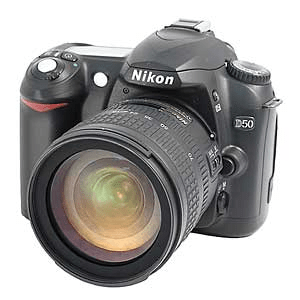
PPM converted from slide technology to digital in the 2005 to 2010 period. Displayed prints are from film as well as digital sources. Projected digital images replace color slide projection. Members donate the use of laptop computers and digital projectors to display images.
2008
PPM moved to Luther Manor, Wauwatosa. Meeting in a ground-floor room allowed wheelchair access that was given up in 1976 when the club left the War Memorial Center.
2009
Meetings were reduced from three to two per month. Members took turns exhibiting their prints in the Welcome Center of Luther Manor. Thirty-two members come to the meetings from surrounding areas and from as far as West Bend and Grafton.

2011
PPM published its first website, containing information about the club and its history along with member galleries and photos from club outings.
2020
After meeting continuously for over a century, the club suspended in-person meetings during the 2020 – 2022 pandemic. However, members enjoyed staying in touch and seeing each other’s images distributed as PDF attachments to email.
2022
In October, PPM began meeting again in person at Wauwatosa State Bank in Menomonee Falls. Members drove from six counties for the monthly meetings.
A new member took over as the club’s webmaster and completed a major upgrade to the PPM site. Galleries were expanded, competitions were moved online, and members were encouraged to add their own personal pages.
2023
PPM’s March meeting featured stereo photos from the archives of Vic Pagel and Ted Laatsch, past members who were recognized internationally for their excellence in stereo photography. Their sons brought the photos, along with the stereo slide viewers needed to enjoy them.
Members participated in outside photo exhibits and competitions, while the club itself hosted invited speakers, member presentations, photo outings, gatherings and an annual club Photo Challenge, activities that are not only educational but promote camaraderie and fellowship.
The club began a series of technical presentations that covered a wide range of topics including software for panoramic images, smartphone photo techniques, and alternative processes (such as carbon printing).
2024 and Beyond…
After more than a century of existence, PPM has transitioned from glass plate negatives to color slides to memory cards…and members look forward to discovering new technology in the years ahead.
PPM’s original historical overview was contributed by Del Desens, APSA, member of PPM since November 1956, Life Member since May 1988. References for the original overview were provided by club historian Mary Desens, PPM member since July 1969. Conversion for the website was completed by PPM member and webmaster, Bill Herndon, in November, 2025 with new entries and additional updates provided by club president, Pauline Beck.
 PPM
PPM 